Tree Branch Cutting in Reno, NV
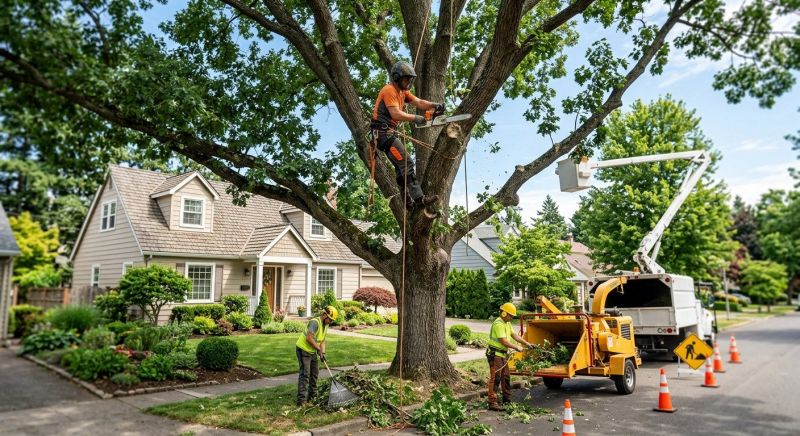
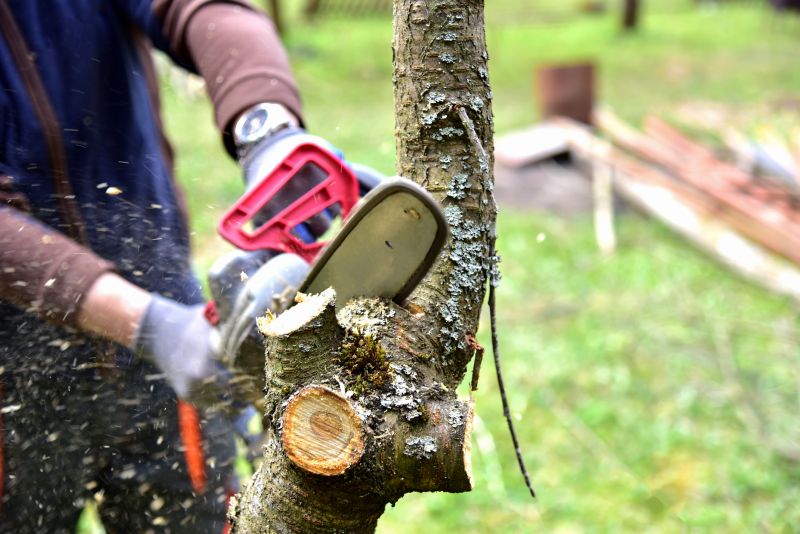
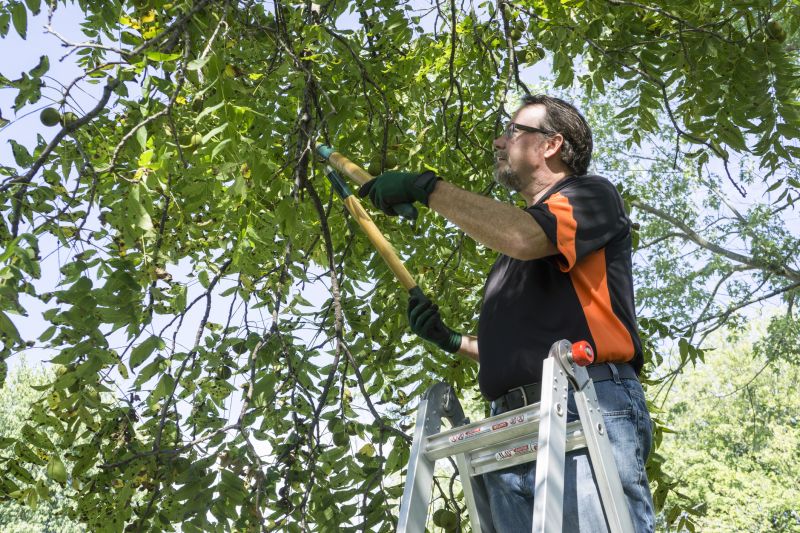
Tree branch cutting services involve trimming and removing overgrown or hazardous branches from trees on residential properties. This service addresses a variety of projects, including reducing the weight of heavy limbs, removing dead or diseased branches, and shaping trees to promote healthy growth. Property owners often request this work to improve safety by preventing potential branch falls, to maintain the appearance of their landscape, or to ensure that trees do not interfere with power lines, structures, or other trees.
Before requesting tree branch cutting, property owners should consider the location and condition of the branches, as well as any specific concerns about safety or aesthetics. It is helpful to identify which branches need removal and whether the work involves pruning or complete removal. Understanding the scope of the project and any potential impact on the tree’s health can facilitate a smoother process and ensure that the trimming aligns with the overall landscape management goals.
Many property owners in Reno, NV look into Tree Branch Cutting for repairs, replacements, upgrades, and appearance-related improvements.
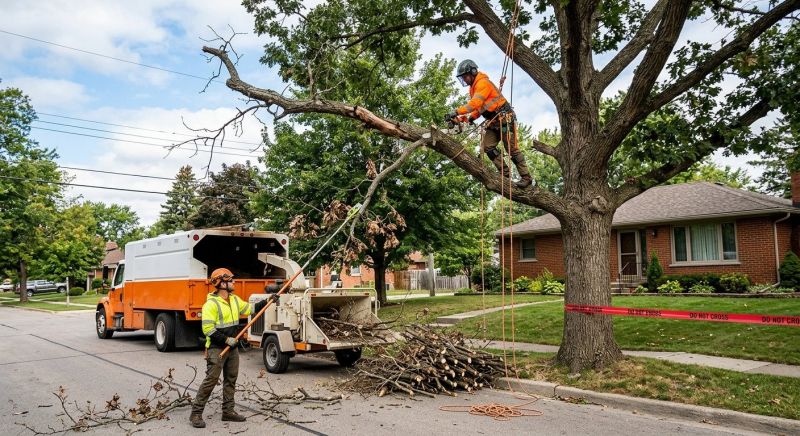
Tree Branch Removal
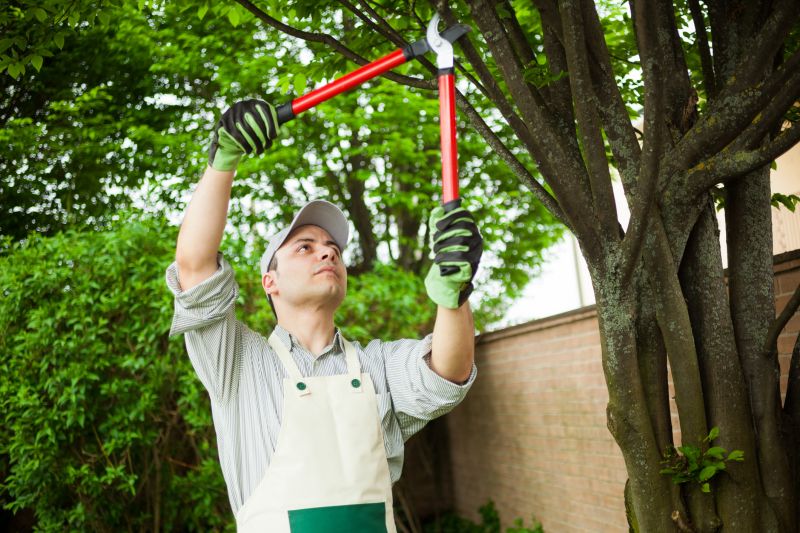
Safely removing overhanging or damaged branches to protect property and landscape.
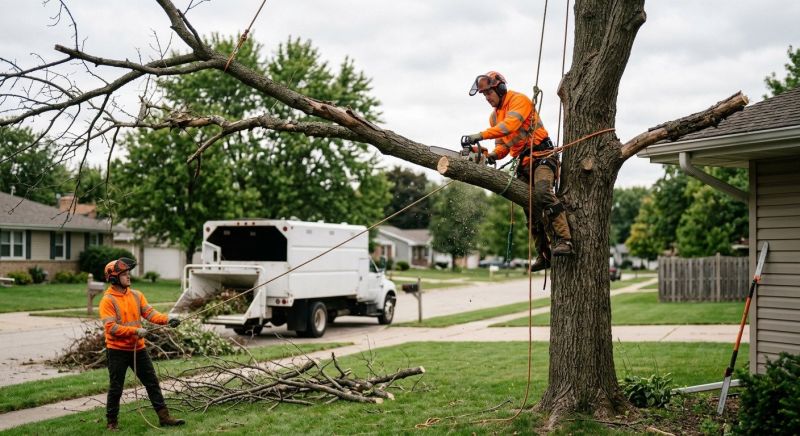
Pruning And Shaping
Enhancing tree health and appearance through selective branch trimming.
Storm Damage Cleanup
Clearing fallen or broken branches after storms to maintain safety and curb appeal in reno, nv.
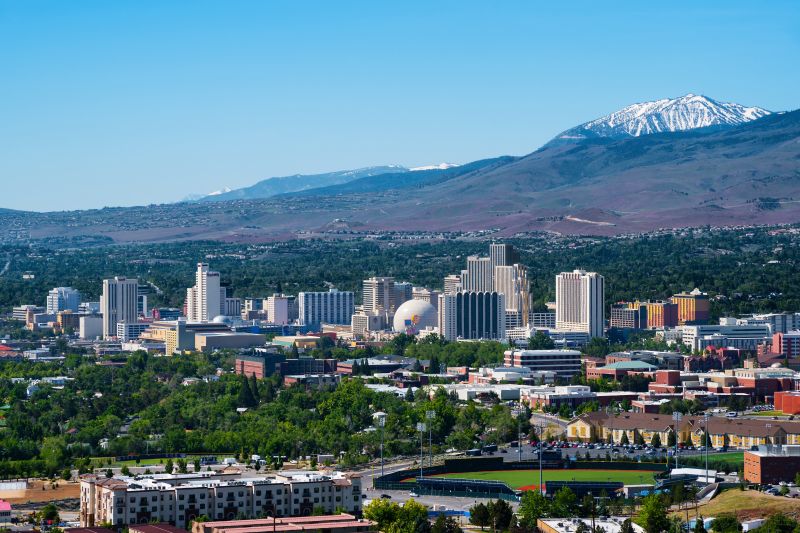
Tree Branch Cutting in Reno, NV
Tree branch cutting services involve trimming and removing overgrown or hazardous branches from trees on residential properties. This service addresses a variety of projects, including reducing the weight of heavy limbs, removing dead or diseased branches, and shaping trees to promote healthy growth. Property owners often request this work to improve safety by preventing potential branch falls, to maintain the appearance of their landscape, or to ensure that trees do not interfere with power lines, structures, or other trees.
Before requesting tree branch cutting, property owners should consider the location and condition of the branches, as well as any specific concerns about safety or aesthetics. It is helpful to identify which branches need removal and whether the work involves pruning or complete removal. Understanding the scope of the project and any potential impact on the tree’s health can facilitate a smoother process and ensure that the trimming aligns with the overall landscape management goals.
Many property owners in Reno, NV look into Tree Branch Cutting for repairs, replacements, upgrades, and appearance-related improvements.
Common Tree Branch Cutting Jobs
Tree branch removal - excess or hazardous branches are carefully trimmed to improve tree health and safety.
Crown thinning - selective branch removal reduces weight and wind resistance for better stability.
Dead branch cutting - removing dead or dying branches prevents damage and encourages healthy growth.
Overhanging branch trimming - branches that threaten structures or power lines are pruned back safely.
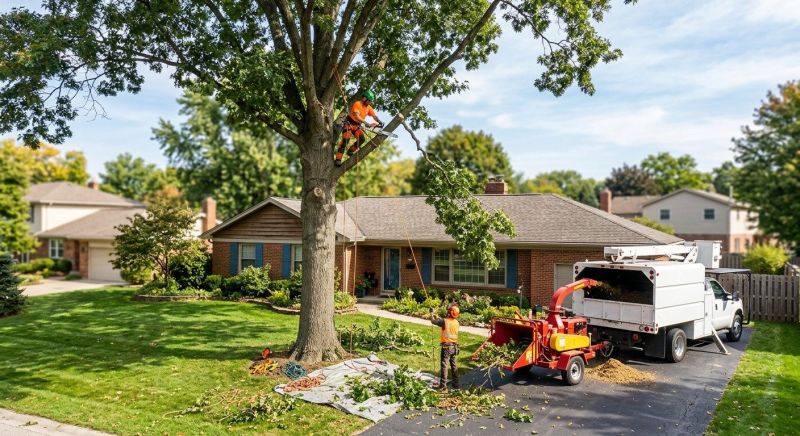
Storm damage cleanup - broken or fallen branches are cleared to maintain property safety after storms.
Selective pruning - targeted branch cutting helps shape trees and promote vigorous growth.
Tree Branch Cutting Questions
When is tree branch cutting necessary? Branch cutting is needed to remove dead, damaged, or overgrown limbs that may pose a risk to property or safety.
What are common reasons for trimming tree branches? Trimming helps improve tree health, prevent interference with power lines, and maintain the appearance of the landscape.
How does branch cutting benefit trees? Proper pruning encourages healthy growth, reduces the risk of falling branches, and can extend the lifespan of the tree.
What should property owners consider before branch cutting? It's important to assess which branches need removal and ensure the work complies with local regulations or guidelines.
Request Tree Branch Cutting in Reno, NV
Use the quote form on this page to share the basics of your project and request more information for the type of work you need.